Synthetic Hair in African Protective Styling: Why Safety Has Become a Global Conversation
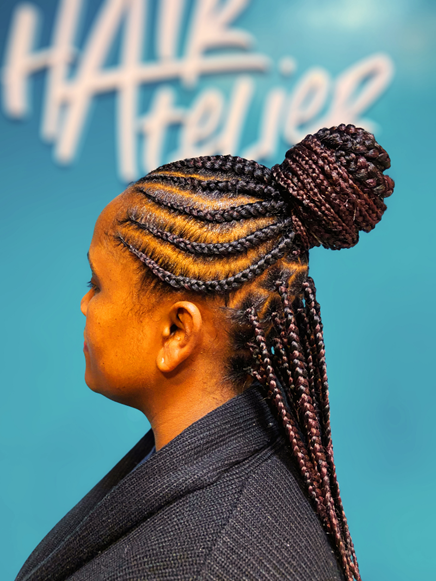
Synthetic hair, made from man-made fibres, has been used across Africa and the African diaspora for several decades. It plays a critical role in protective styling such as braids, twists, wigs, and extensions. It offers accessibility, affordability, and cultural continuity where human hair may be economically out of reach.
Protective styles are not just cosmetics. In African contexts, they are functional, cultural, and protective, believed to allow natural hair to rest beneath it while still expressing similar identity as natural hair. As being witnessed across various media, global conversations around consumer health and cosmetic safety continue to evolve, synthetic hair safety has emerged as a critical and indeed, overdue topic.
Recent investigations and peer-reviewed commentary suggest that some synthetic braiding hair products may contain or emit hazardous substances, particularly when heated or worn for extended periods. This has prompted renewed scrutiny, especially because these products are overwhelmingly used by Black women.
Has/ Is Awareness Taken/ Taking Too Long?
Public awareness of synthetic hair risks has been brewing overtime. It evolved gradually, reaching mainstream attention only in the mid-2020s.
Key milestones include:
2019 – Early Consumer Warnings
2020 – First Scientific Evidence
2023 – Medical & Academic Alarm
2024 – Social Media as Public Health Amplifier
2025 – Mainstream Investigation
- 2019: Early Consumer Warnings
Entrepreneur Ciara Imani May (American entrepreneur and sustainability advocate best known as the founder and CEO of Rebundle, a beauty startup creating plant-based, biodegradable hair extensions) experienced persistent scalp irritation from synthetic braids and began questioning their safety. This led to the creation of a plant-based alternative, anticipating future demand for safer options.
Source: Michigan Advance - 2020: First Scientific Evidence
A laboratory pilot study led by Donna Auguste and Shelly Miller found that heated synthetic hair released volatile organic compounds (VOCs), including benzene, acetone, and chloromethane substances associated with respiratory and carcinogenic risk.
Source: BioOne / Environmental Science research - 2023: Medical & Academic Alarm
Medical researcher Chrystal G. Thomas (affiliated with the Albert Einstein College of Medicine in New York City) published a commentary in The Lancet Regional Health – Americas describing synthetic braids as an “unrecognized exposure risk” for Black women, highlighting a lack of regulation and research despite decades of use.
This publication became a turning point, legitimizing lived experiences that had long been dismissed as anecdotal.
- 2024: Social Media as Public Health Amplifier
Black women across TikTok, YouTube, and Instagram shared documented allergic reactions swollen scalps, rashes, burning sensations prompting mass awareness.
Practices such as apple-cider-vinegar rinsing of synthetic hair became widely adopted.
Sources: Essence, Allure - 2025: Mainstream Investigation
In February 2025, Consumer Reports tested 10 popular synthetic hair brands.
Findings included:
- At least one carcinogen in every sample
- Detectable lead in 9 out of 10 products
- Benzene emissions in several samples
These results were covered by PBS NewsHour, ABC News, WTOP, and The Observer in Uganda, marking the first time the issue reached a truly global audience.
Consumer Reports (CR) is a U.S.-based nonprofit consumer advocacy organization and independent product-testing group founded in 1936. It publishes product reviews, ratings, and investigative journalism to help consumers make informed purchasing decisions and to promote fairness, safety, and transparency in the marketplace.
Why This Matters in an African Context
Synthetic hair dominates African markets due to:
- Cost accessibility
- Availability
- Cultural compatibility with textured hair
Yet most of this hair is manufactured outside Africa, often without ingredient transparency, while being worn directly on the scalp for weeks at a time.
This raises equity questions:
- Why were these risks overlooked for so long?
- Why are products primarily used by Black women less regulated?
As awareness grows, the conversation has shifted from fear to informed responsibility for brands, stylists, regulators, and consumers.

➡️ Part 2 focuses on what this means in practice: hair safety, consumer behaviour, and the future of protective styling.

No comment